How Do You Find Business Insights From Data?
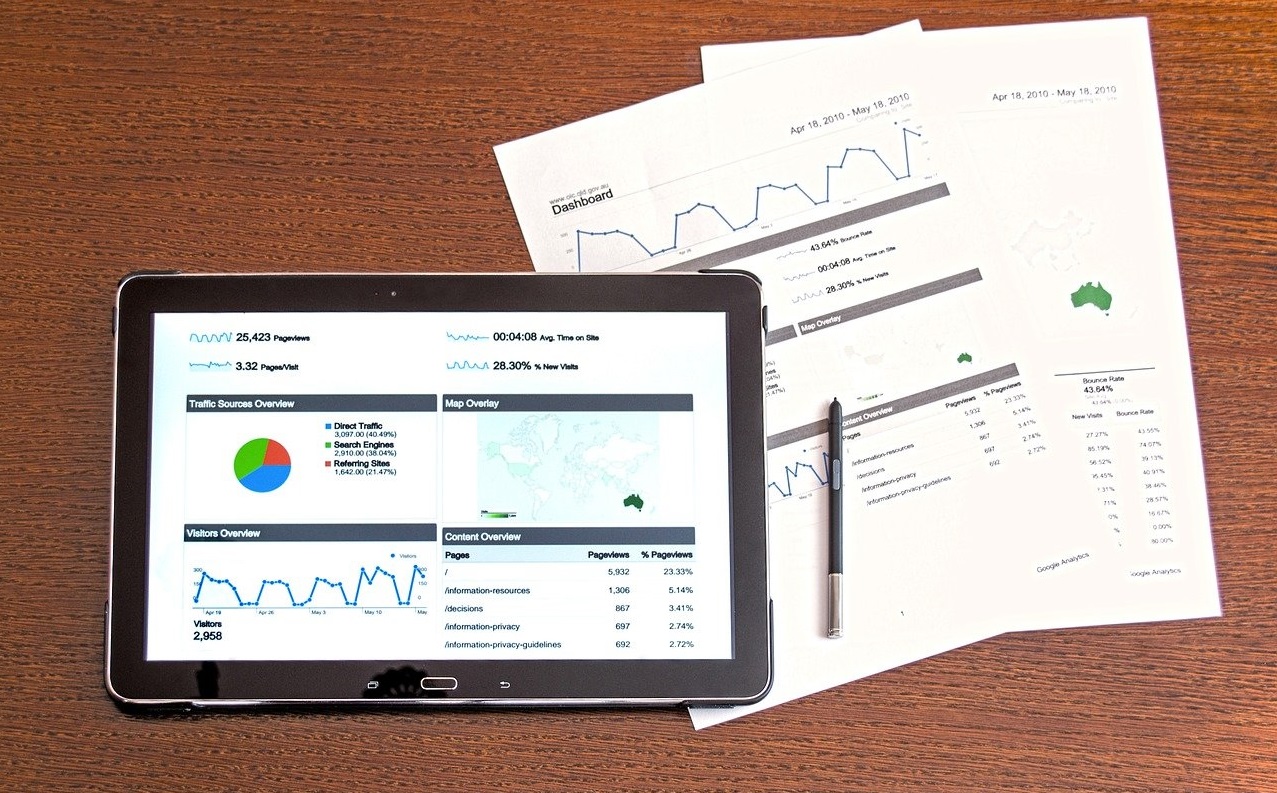
Academic researchers amass a lot of data, but that data is only valuable if you can gain access to it and use it to glean insights. Data can come from various sources, including psychometrics, surveys, and social media data. Data can also hide in plain sight where most market players are unlikely to look.
To find valuable insights, companies must first identify data patterns and find parallels to their own business models. Alternatively, they can avoid conducting costly research by venturing into the world of academic research. There, they can find troves of data waiting to be discovered.
If customer satisfaction ratings are declining, sales are stagnating, or you can't seem to gain ground on your competition, there are potentially paradigm-shifting concepts you can derive from academic research. All you have to do is look.
How Can Academic Studies Benefit Your Business?
There are many ways in which academic studies can benefit businesses. Firstly, research and development is essential for companies to keep up with the latest industry trends and developments. Without this, businesses risk becoming outdated and losing market share.
Secondly, academic studies can give businesses a greater understanding of their customers and target markets. The insights derived from academia can contribute to developing more effective marketing campaigns and improving customer service.
Finally, academic studies can help businesses identify new opportunities for growth and expansion. By understanding the latest trends and developments in your industry, you can position your business to take advantage of these opportunities.
Despite these potential benefits, most businesses pass on the opportunity to leverage academic research. Companies may not do this intentionally but the result is the same: missing out on important knowledge. The perception is that these studies are done for an academic audience and that their technical nature may be too indigestible for executives.
This couldn't be further from the truth, and organizations that recognize the utility of academic research can boost their productivity and profitability, blasting ahead of the competition. How about some useful insights from recent academic research?
Examples of Valuable Academic Research Insights
Those that wish to make the most of data and analysis from academic papers will have to spend some time reading through the research. Luckily, Google's Chief Measurement Strategist, Neil Hoyne, can whet your appetite with some actionable conclusions from academic papers.
As per Neil, the key is in finding inflection points in the research that lead companies to make fundamental decisions. Of course, it's always challenging for entrepreneurs to take a significantly different course of action based on a new way of thinking, especially if their viability depends on it. However, taking the risk to follow academic research can have a massive payout.
The first example Neil Hoyne mentions is the dollar sign tweak. Having a dollar sign in front of your offering makes consumers more price sensitive. Research shows that when businesses removed the dollar sign next to prices, consumers spent 8% more with a retailer. This is because currency signs are ingrained in people's psyche as a symbol of their wealth. By removing the dollar sign, people's thoughts become disassociated from the charge made to their account.
This concept is even more pronounced in online gaming platforms. A massive game like Fortnite uses native tokens with which users transact. The fact that all transactions in the game occur with Fornite units rather than dollars, euros, or other currency makes users less sensitive to making purchases. Although players are still spending money from their pockets, they are far less likely to consider their Fortnite spending as an expenditure that falls under their monthly budgets.
Another hands-on example of academic research insights comes from a concept that some online marketers are already intuitively aware of, though they may not have had the science to back it. As per Neil Hoyne, personalizing an email newsletter's subject line:
- Improves open rate by 20%
- Improves engagement
- Reduces unsubscribers from email newsletter
Psychology and Business Insights
Apart from quantitative data businesses can make decisions on, academic research provides valuable qualitative conclusions that can boost productivity. Labor transparency is a lesser-known area that research sheds light on for organizations that want to maximize revenue.
A study conducted in a cafeteria made the value of labor transparency for businesses very evident. Researchers placed an iPad on a table where the cafeteria food is prepared by workers so that the employees could view patrons' reactions. At the same time, an iPad was placed in the cafeteria so patrons could observe the work being done in their meals' preparation.
The result was that the patrons who watched the work necessary for the creation of their meals reported that their food tasted better than patrons who could not observe the kitchen. On the flip side, cafeteria workers enjoyed greater satisfaction from watching the fruit of their labor and the patrons' reactions.
How can you implement this concept in your business? Neil Hoyne suggests that the question you should be asking when applying labor transparency is, "What if we could give customers a sense of the work being done?"
Several major companies are leveraging this concept by providing greater transparency in the work being done behind the scenes on behalf of the audience. Something as simple as a crawl on a website informing of current developments in a company's offerings can go a long way in engaging consumers and building trust.
See the Gears Turning
Perceived value is often more important than actual value.
Neil Hoyne brings up another example that reinforces the cafeteria case study is the idea of making it abundantly clear that work is being done in an app or online service. Hoyne notes that online services that crunch data and spit out a result almost instantaneously make consumers skeptical as to the reliability and accuracy of their results.
When developers delayed displaying the results to users for a few seconds, possibly placing a spinning hourglass to denote that work is being done, conversions increased significantly. This is because users intrinsically place greater value on a service that requires work that is visible in some way.
Get More Insights From Neil Hoyne
Besides his work at Google, Neil Hoyne has a knack for bringing valuable observation-driven and data-based concepts to entrepreneurs. His book, Converted, is a goldmine for business owners that want to build lasting relationships with their customers by taking advantage of concepts that the competition is likely overlooking.